


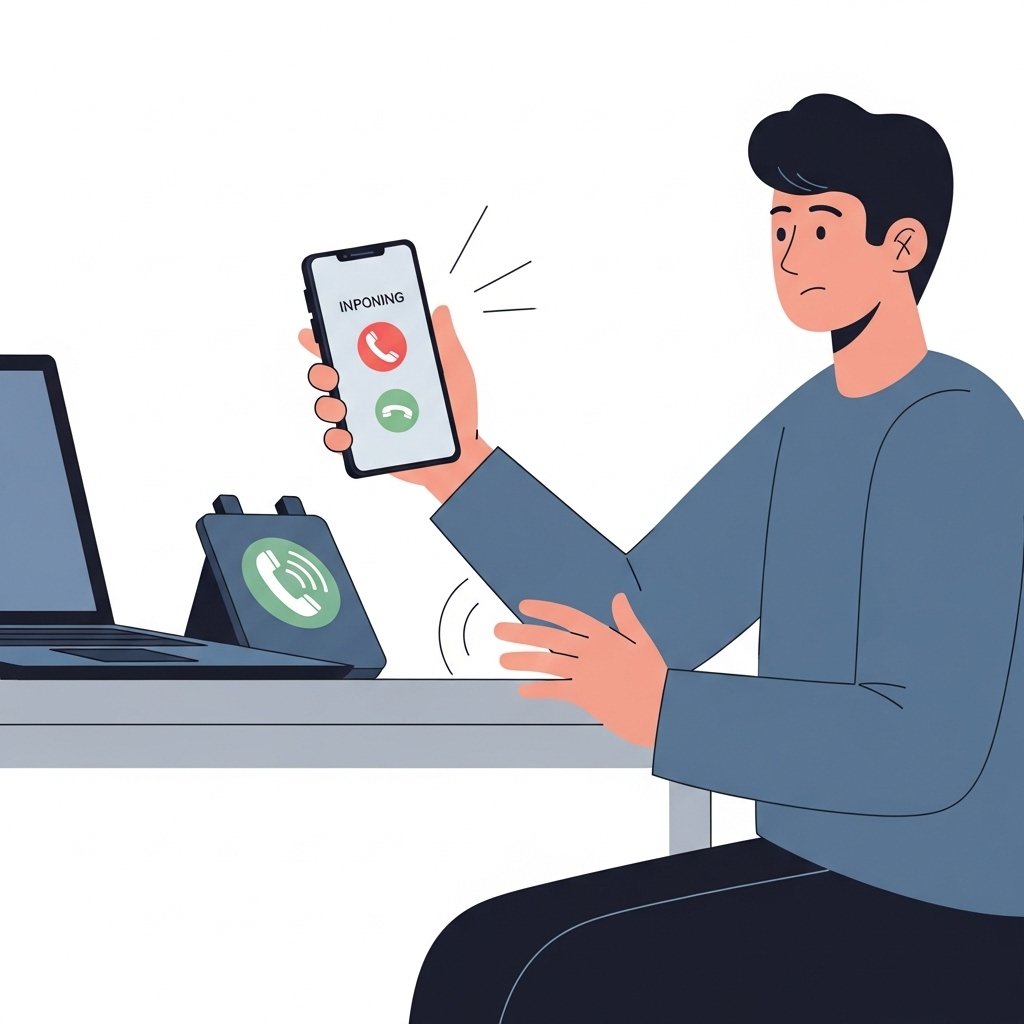
Phone calls can feel more trustworthy than messages.
Hearing a human voice, especially one that sounds professional or authoritative, makes it easier to believe the situation is real. Scammers take advantage of this by impersonating banks, support teams, delivery services, and even government agencies.
The safest habit is simple: never trust a caller at face value. Always verify using official contact channels.
Why Phone Scams Are Effective
Scammers rely on urgency and pressure during live conversations.
They may claim:
- Suspicious activity on your account
- A problem that requires immediate action
- A refund or payment issue
- A security alert that must be resolved now
Because the interaction is real time, victims feel pushed to act without verifying.
Caller ID Can Be Spoofed
The number shown on your phone is not always reliable.
Attackers can manipulate caller ID to make it appear as if the call is coming from:
- Your bank
- A known company
- A local or trusted number
Even if the number looks correct, it does not guarantee authenticity.
Never Share Sensitive Information on Incoming Calls
If you receive an unexpected call, do not provide:
- Passwords
- One time verification codes
- Banking details
- Personal identification numbers
Legitimate organizations do not ask for sensitive information this way.
Hang Up and Call Back Using Official Numbers
The safest way to verify a caller is to end the call and contact the organization yourself.
Use:
- The official number on the company’s website
- The number on the back of your bank card
- Verified contact details from official apps
Do not use numbers provided by the caller.
This step removes the attacker from the interaction.
Be Careful With Call Transfers
Some scammers attempt to keep control of the call.
They may:
- Offer to transfer you to another “department”
- Stay on the line while you dial a number
- Provide instructions during the callback
Always disconnect completely before calling an official number yourself.
Watch for Pressure Tactics
Phone scams often include urgency.
Warning signs include:
- Requests for immediate action
- Threats of account suspension
- Instructions not to tell anyone
- Pressure to stay on the call
These tactics are designed to prevent verification.
Use Trusted Contacts and Apps
If you are unsure, use trusted tools.
Examples include:
- Official mobile apps for your bank or service
- Verified contact numbers saved in your phone
- Company websites you access directly
Avoid relying on information given during the call.
What To Do If You Shared Information
If you provided sensitive details during a call:
- Contact your bank or service provider immediately
- Change relevant passwords
- Enable multi factor authentication
- Monitor your accounts for unusual activity
Act quickly to reduce potential damage.
Final Thoughts
Phone calls can feel convincing, but they can also be manipulated.
Trust should come from verification, not from the caller.
Hang up first.
Use official contact numbers.
Confirm the situation independently.
Taking control of the communication is the safest way to avoid phone based scams.