


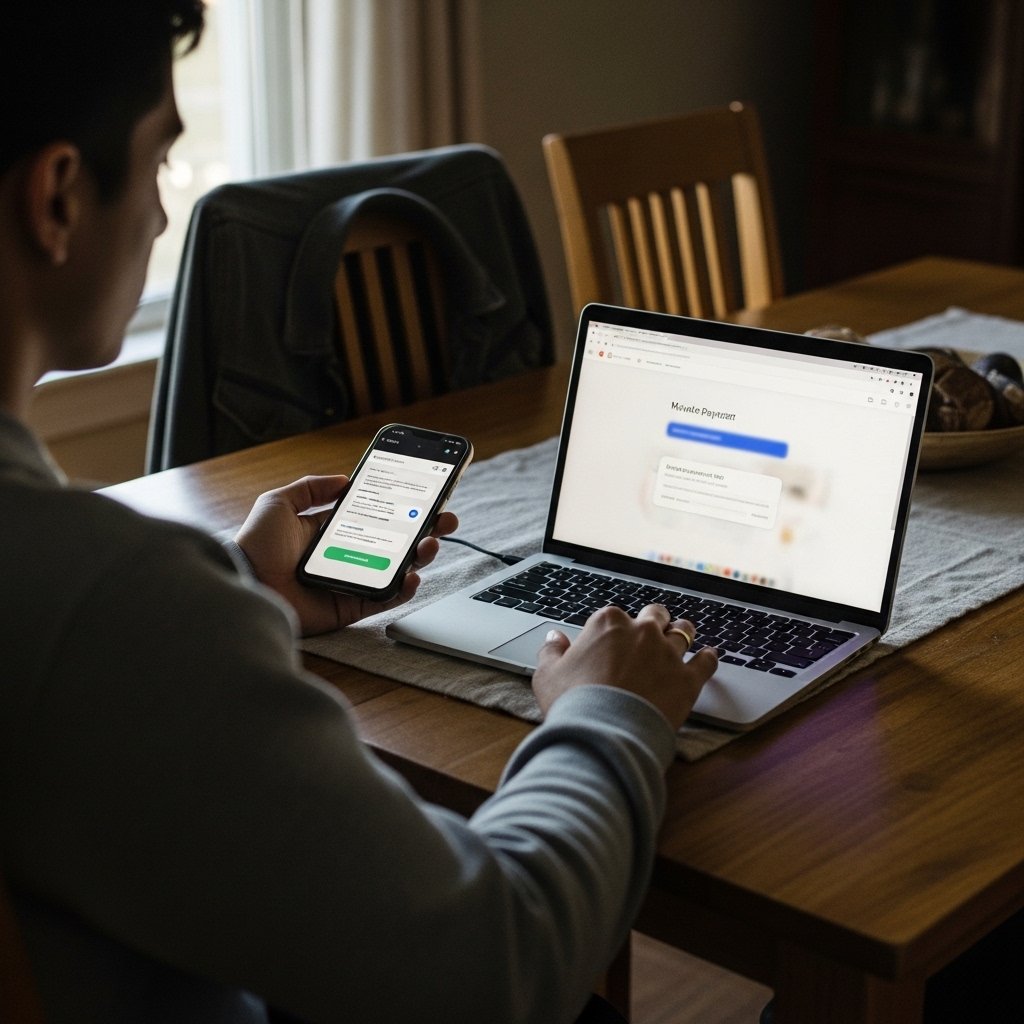
Online marketplaces and social platforms are designed to protect buyers and sellers through built-in payment systems. When someone asks you to move the transaction outside the platform, that protection disappears.
Off-platform payment traps are one of the most common tactics used in marketplace fraud. The goal is simple: remove buyer protection and make the payment irreversible.
Understanding how these traps work can prevent financial loss and identity exposure.
What Is an Off-Platform Payment Trap?
An off-platform payment trap happens when a seller or buyer convinces you to complete a transaction outside the official marketplace system.
Examples include:
“Let’s talk on WhatsApp.”
“I can give you a discount if you pay directly.”
“Send the money through bank transfer instead.”
“The platform fee is too high. Let’s avoid it.”
Once you leave the platform’s payment system, you often lose:
Buyer protection
Escrow services
Refund options
Transaction monitoring
That is exactly what scammers want.
Why Scammers Push Off-Platform
Marketplaces typically offer:
Dispute resolution
Payment holds
Fraud detection
Seller verification
When payment happens outside the system, none of these protections apply.
Scammers know that once the money is transferred through wire, gift card, crypto, or personal transfer apps, recovery becomes extremely difficult.
Common Off-Platform Scenarios
Fake Marketplace Seller
You find an item on a trusted marketplace. The seller says:
“The payment system is down.”
“Let’s avoid platform fees.”
“I’ll send you a custom invoice.”
After you send payment directly, communication stops.
Rental or Property Scam
A landlord lists a property on a legitimate site but asks for deposit through:
Wire transfer
Cryptocurrency
Unverified payment links
After payment, the listing disappears.
Fake Customer Support
You contact marketplace support, and someone pretending to represent the platform asks you to send payment through a different channel.
Real platforms do not redirect payments outside their system.
Red Flags to Watch For
Requests to move conversation to private messaging apps
Pressure to act quickly
Discounts for direct payment
Claims that official payment system is unavailable
Payment instructions sent via email or chat
Refusal to use escrow or platform checkout
If someone insists on bypassing official systems, walk away.
How to Protect Yourself
Keep all communication inside the platform.
Use only official checkout systems.
Avoid clicking payment links sent privately.
Verify seller profiles and reviews.
Never send deposits outside verified payment channels.
If a seller refuses to use platform payment methods, do not proceed.
What To Do If You Already Paid Off-Platform
Contact your bank immediately.
Report the transaction as fraud.
Save screenshots of all communication.
Report the account to the platform involved.
Fast action improves recovery chances.
Why Platform Fees Exist
Many scammers justify off-platform payments by criticizing platform fees.
Those fees fund:
Fraud protection
Escrow systems
Dispute resolution
Customer support
Avoiding the fee often means avoiding protection.
Final Thoughts
Off-platform payment traps rely on persuasion and convenience.
The conversation may feel friendly. The discount may feel appealing.
But once you leave the official payment system, you are exposed.
Stay within protected channels.
Use official checkout systems.
Reject private payment requests.
Security is strongest when transactions stay where protections exist.