

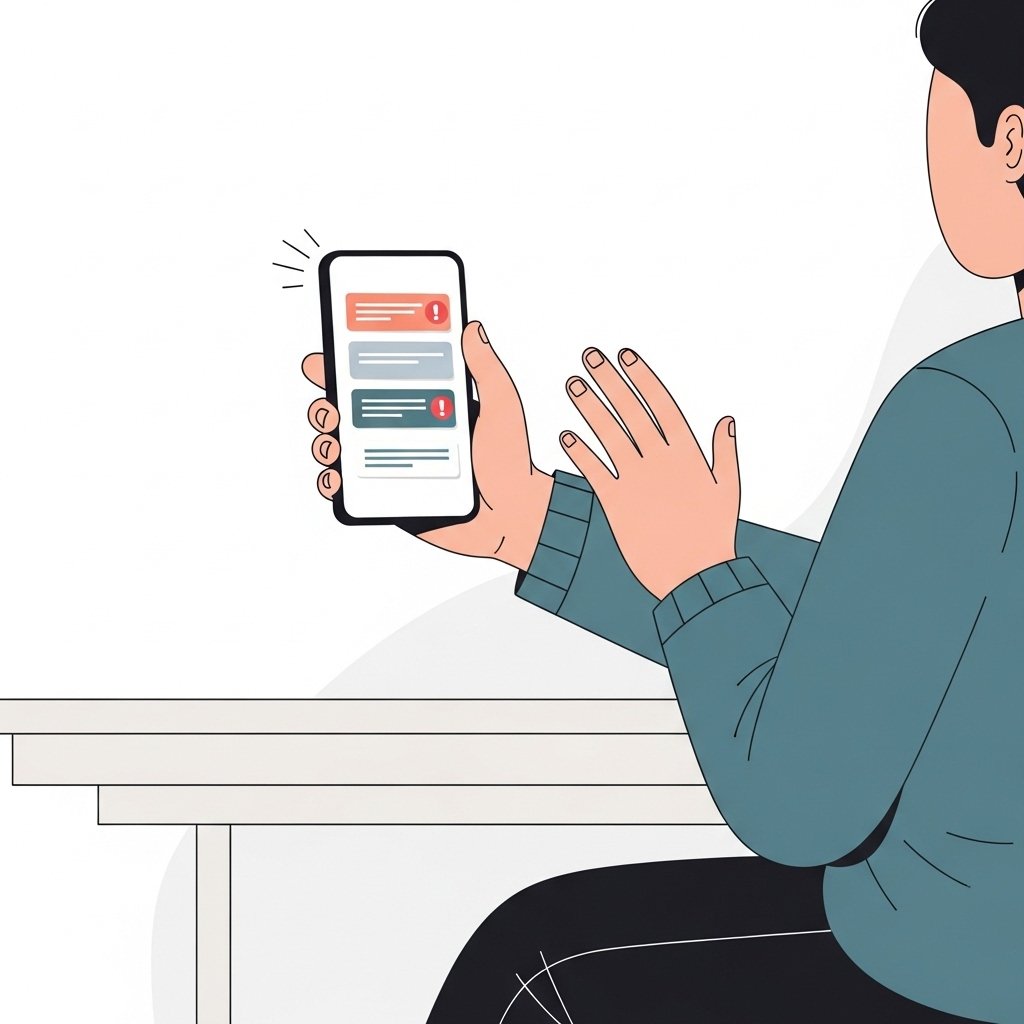
Many scams are designed to force quick decisions.
The attacker creates urgency, fear, or embarrassment so that the victim reacts before thinking clearly. Once pressure takes over, people are more likely to send money, reveal information, or follow instructions they would normally question.
Understanding pressure tactics is one of the most effective ways to avoid being manipulated.
Why Scammers Use Pressure
Pressure is a psychological shortcut.
When people feel rushed, they often skip verification and rely on instinct. Scammers take advantage of this by creating situations that feel urgent or threatening.
Their goal is simple: make you act before you think.
Common Pressure Tactics
Artificial Deadlines
You may see messages such as:
Your account will be closed in one hour
Payment must be sent today
This offer expires immediately
Short deadlines are meant to stop you from verifying the claim.
Threats and Fear
Some scams rely on intimidation.
Examples include:
Threats to release private information
Claims of legal action
Warnings of account suspension
Fear pushes victims toward immediate compliance.
Emotional Manipulation
Scammers sometimes create emotional pressure.
They may pretend to be:
A friend in trouble
A family member needing urgent help
A romantic partner facing an emergency
These messages are designed to bypass logical thinking.
Authority Impersonation
Attackers may pretend to represent:
Banks
Government agencies
Technical support teams
Delivery services
The message implies that ignoring instructions could cause serious consequences.
Signs You Are Being Pressured
Watch for these warning signs.
The message demands immediate action.
You are told not to tell anyone.
Payment is requested through unusual methods.
Verification attempts are discouraged.
The situation feels urgent but unclear.
Pressure often replaces clear explanation.
What To Do When You Feel Rushed
Pause before acting.
Take these steps:
Stop communicating temporarily.
Verify the claim through official channels.
Speak with a trusted person before making decisions.
Look for independent confirmation of the situation.
Slowing down breaks the scammer’s strategy.
Payment Methods Used in Pressure Scams
Scammers often demand payment through methods that are difficult to reverse.
Common examples include:
Gift cards
Cryptocurrency
Wire transfers
Peer to peer payment apps
Requests for these payment methods under pressure should raise immediate suspicion.
Why Refusing to Pay Is Important
Once a payment is made, the situation rarely ends.
Attackers may:
Ask for more money
Continue making threats
Sell your contact information to other scammers
Refusing to pay removes their incentive.
Protecting Yourself
To reduce the risk of pressure based scams:
Enable account security alerts
Verify messages independently
Avoid acting on emotional impulses
Keep communication records
Report suspicious contacts when possible
Preparation makes it easier to stay calm under pressure.
Final Thoughts
Scams depend on speed and emotion.
The moment you feel rushed is the moment to slow down.
Pause.
Verify.
Ask questions.
Legitimate organizations allow time for confirmation. Scammers do not.