


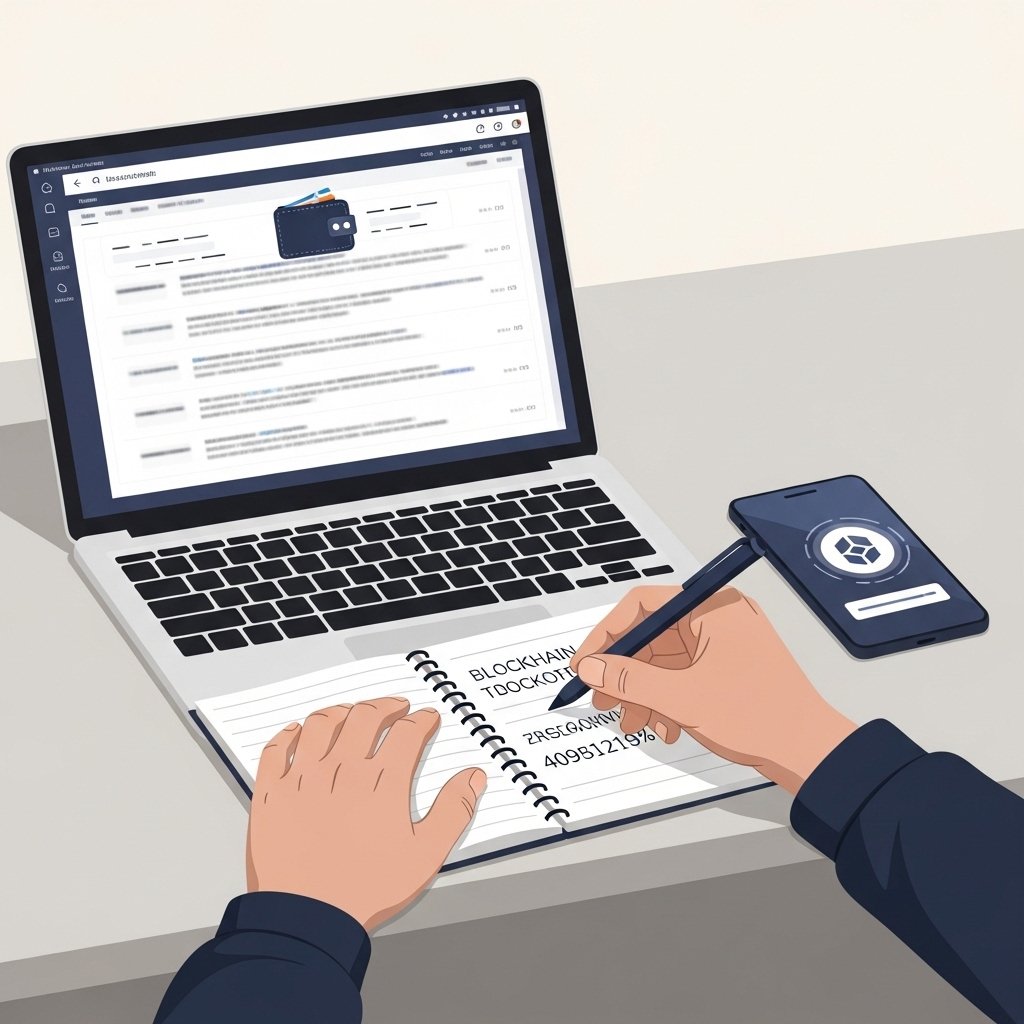
When dealing with cryptocurrency fraud, investment scams, or suspicious transfers, documentation is critical.
Unlike traditional banking, crypto transactions are often irreversible. Once funds leave your wallet, recovery becomes difficult. Properly documenting wallet addresses and transaction details can strengthen your report and increase the chances of tracing funds.
If you suspect fraud, the quality of your documentation matters.
Why Wallet Documentation Is Important
In cryptocurrency related scams, investigators rely on:
Wallet addresses
Transaction hashes
Time stamps
Blockchain confirmations
Exchange deposit addresses
Even if funds cannot be immediately recovered, accurate documentation helps:
Identify scam networks
Track movement across wallets
Support legal investigations
Assist exchanges in freezing funds when possible
Without documentation, your report may lack actionable detail.
Step 1: Capture the Wallet Address
If you sent funds to a wallet:
Screenshot the full wallet address.
Copy and save it in a secure document.
Note the blockchain network used.
Make sure the entire address is visible, not partially cropped.
Wallet addresses are case sensitive and exact.
Step 2: Save the Transaction ID
Every blockchain transaction has a unique identifier called a transaction hash.
Document:
The full transaction hash
The date and time
The amount sent
The receiving address
The blockchain explorer link
This is the most important technical detail in crypto investigations.
Step 3: Screenshot the Blockchain Explorer Page
After locating your transaction on a blockchain explorer:
Screenshot the full page.
Include visible time stamp and confirmation status.
Capture wallet interaction history if available.
This preserves proof even if access to your account changes later.
Step 4: Document Exchange Details
If you used a crypto exchange:
Screenshot your deposit confirmation.
Save withdrawal records.
Capture account history logs.
Note the exchange name and support ticket numbers.
Exchanges may request this information during investigations.
Step 5: Record Communication Linked to the Wallet
If someone provided the wallet address via:
Email
Direct message
Messaging app
Investment dashboard
Screenshot the message showing the wallet address.
This links the transaction to the scammer.
Step 6: Keep a Timeline
Write down:
When you were first contacted
When you created the wallet
When funds were sent
When withdrawal issues began
Any additional payment requests
Clear timelines strengthen credibility.
Step 7: Secure Your Own Wallet
After documenting:
Move remaining funds to a new secure wallet.
Enable two factor authentication on exchange accounts.
Revoke suspicious permissions.
Avoid interacting further with unknown addresses.
Documentation should not delay protective action.
Common Mistakes to Avoid
Cropping screenshots too tightly
Editing images
Relying only on memory
Ignoring small transaction details
Deleting communication threads
Preserve original evidence whenever possible.
What To Do With the Documentation
Report to:
Your crypto exchange
National cybercrime reporting centers
Financial regulatory authorities
Blockchain tracing services through official channels
Provide:
Wallet address
Transaction hash
Screenshots
Timeline summary
Organized documentation improves your case.
Final Thoughts
Cryptocurrency transactions are transparent on public ledgers, but only if you know what to document.
Wallet addresses and transaction IDs are digital fingerprints.
Act quickly.
Capture complete evidence.
Report clearly.
The earlier you document, the stronger your position becomes.