


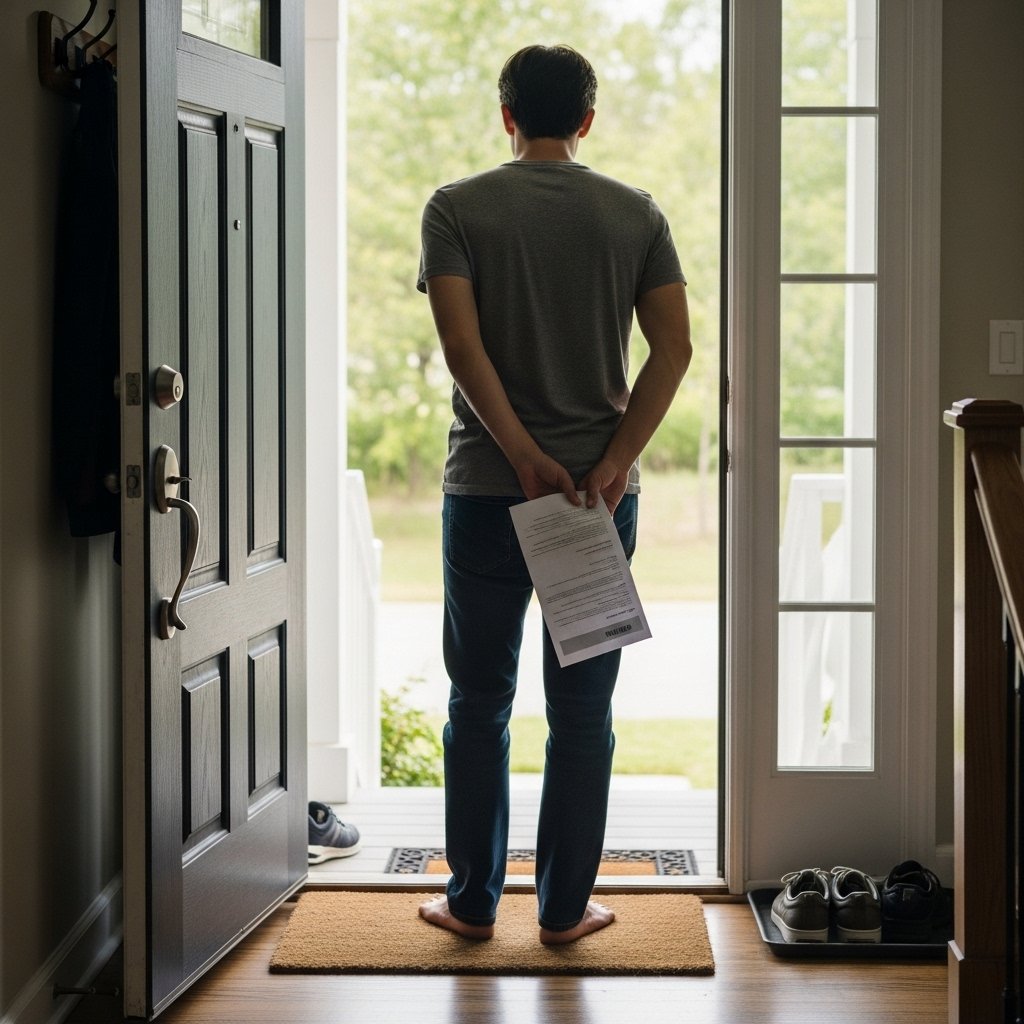
You placed the order.
You received the confirmation email.
Your card was charged.
Days pass. Then weeks.
The tracking stops updating. The seller stops responding. The package never arrives.
When an item does not show up, the situation may range from simple shipping delay to full online fraud. Acting quickly and methodically improves your chances of recovering your money.
Here is exactly what to do.
Step 1: Check the Tracking Information Carefully
Before assuming fraud, review:
The tracking number
Carrier website updates
Estimated delivery window
Shipping origin country
Delivery attempt notices
Sometimes packages are delayed due to customs, weather, or carrier issues.
If tracking shows “delivered” but you did not receive it, check:
Front door
Mailroom
Neighbors
Building management
Porch theft is common.
Step 2: Review the Order Confirmation
Open your confirmation email and verify:
Store name
Order number
Item description
Shipping address
Estimated delivery time
If the estimated delivery window has not yet passed, wait until it does.
If the delivery time seems unusually long, especially for international shipments, that may have been disclosed during checkout.
Step 3: Contact the Seller Formally
If the delivery date has passed:
Email the seller using the official contact listed on the website.
Include your order number.
Request tracking clarification.
Ask for a clear resolution timeline.
Keep communication professional and documented.
Avoid using only social media messages. Use email for a written record.
Step 4: Take Screenshots
Before anything changes, screenshot:
Product page
Order confirmation
Tracking details
Payment confirmation
Any communication with the seller
If the website disappears later, this documentation becomes critical.
Step 5: Check the Store’s Legitimacy Again
If the seller becomes unresponsive:
Check domain age.
Search for scam reports.
Look for new complaints.
Verify contact information again.
Some scam stores operate briefly and shut down after collecting payments.
Step 6: Contact the Shipping Carrier
If tracking shows movement but no delivery:
Call the carrier directly.
Confirm the delivery address on file.
Ask if the package was signed for.
Request delivery confirmation details.
In some cases, incorrect address formatting or local errors cause delays.
Step 7: Initiate a Payment Dispute
If the seller does not resolve the issue within a reasonable timeframe:
Contact your credit card issuer or payment provider.
File a dispute for non delivery.
Provide screenshots and documentation.
Credit cards and reputable payment platforms offer buyer protection.
If you paid using wire transfer, gift card, or cryptocurrency, recovery may be difficult.
Step 8: Watch for Fake Tracking Scams
Some fraudulent stores provide tracking numbers that:
Show delivery to a different city
Belong to unrelated packages
Are marked delivered but never shipped
If delivery location does not match your address, inform your bank immediately.
Step 9: Monitor Your Financial Accounts
If the store appears fraudulent:
Check your card statements for additional charges.
Consider replacing your card.
Enable transaction alerts.
Scam stores may attempt further unauthorized charges.
Step 10: Report the Store
If fraud is confirmed:
Report the website to consumer protection authorities.
Report to your national cybercrime reporting center.
Notify the payment processor.
Reporting helps prevent others from being targeted.
Warning Signs It May Be a Scam
No response from seller
Website disappears
Email bounces back
Phone number disconnected
Only prepaid payment options
Domain recently registered
Multiple warning signs together indicate high risk.
Final Thoughts
Not every late package is fraud.
But every undelivered item deserves verification.
Act calmly.
Document everything.
Communicate clearly.
Escalate when necessary.
Using protected payment methods and verifying store legitimacy before purchase reduces the chances of facing this situation in the first place.
If an item never arrives, your response speed determines your recovery options.