

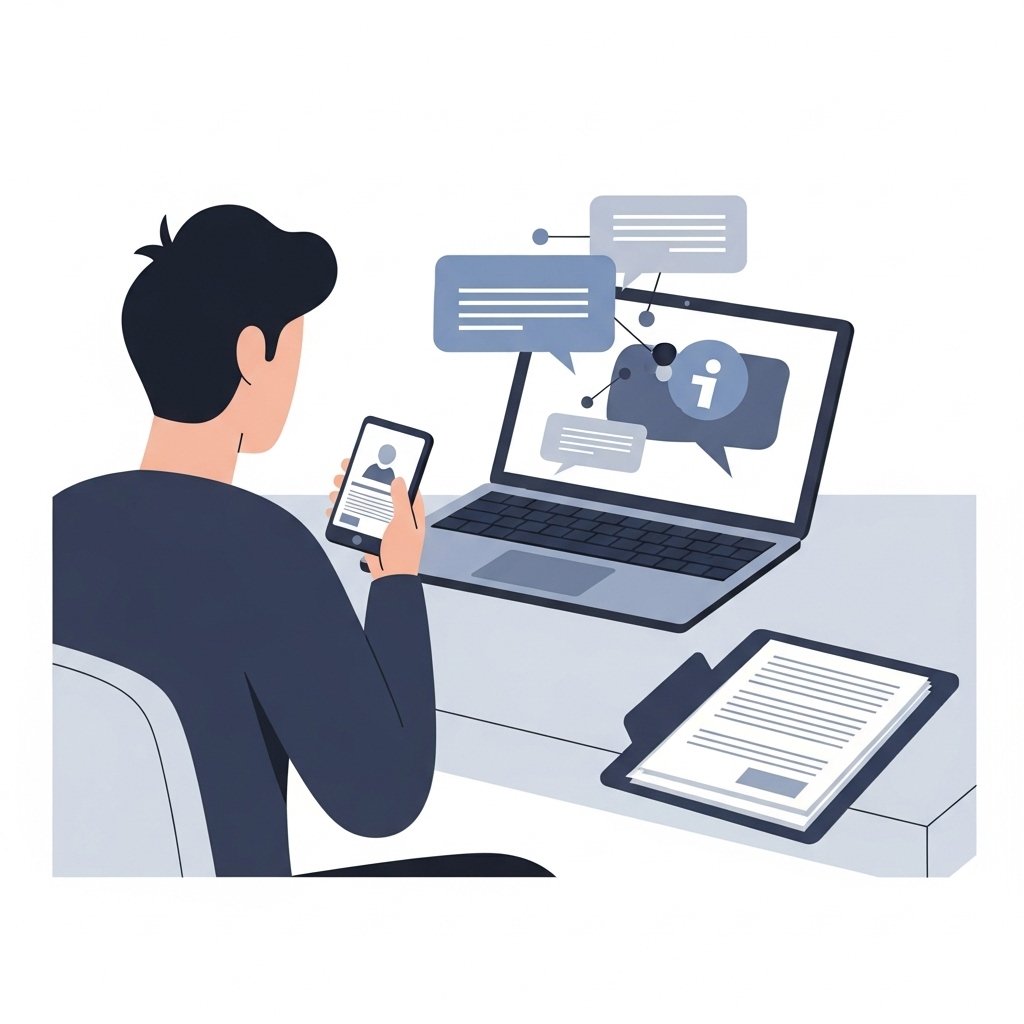
Sharing personal information with the wrong person can feel alarming, especially if you later realize the request may have been part of a scam.
The most important thing is to act quickly and take practical steps to reduce the risk of misuse.
Different types of personal information carry different levels of risk, so your response should focus on protecting the accounts and services connected to that information.
Stay Calm and Review What Was Shared
Start by identifying exactly what information was exposed.
Common examples include:
- Full name
- Email address
- Phone number
- Home address
- Date of birth
- Identification numbers
- Banking details
Knowing what was shared helps you decide what actions are necessary.
Secure Your Online Accounts
If the incident involved login details or personal contact information, update your account security immediately.
Take the following steps:
- Change passwords for affected accounts
- Use strong and unique passwords
- Enable multi factor authentication where available
- Review recent login activity
If the same password was used on multiple accounts, change those as well.
Contact Your Bank or Financial Institutions
If banking information or payment details were shared, notify your financial provider as soon as possible.
They may help you:
- Monitor transactions
- Place temporary account alerts
- Replace compromised cards
- Investigate suspicious activity
Early notification improves the chances of preventing fraud.
Monitor Your Accounts Closely
For the next several weeks, review activity regularly.
Watch for:
- Unrecognized transactions
- Password reset emails you did not request
- Login alerts from unfamiliar devices
- Unexpected account changes
Quick detection allows you to respond before problems grow.
Be Alert for Follow Up Scams
After personal information is shared, scammers may attempt additional contact.
These messages may claim to be:
- Customer support representatives
- Bank security teams
- Identity verification services
Treat unexpected follow up requests carefully and verify them through official channels.
Report the Incident
Reporting the situation can help protect others and may assist investigations.
You may report the incident to:
- The platform where the interaction occurred
- Your email provider if phishing was involved
- Relevant cybercrime reporting channels
Providing clear documentation can help identify scam patterns.
Consider Identity Protection Measures
If highly sensitive information was shared, additional steps may be useful.
These may include:
- Monitoring credit reports
- Placing fraud alerts
- Freezing credit where available
These measures help prevent unauthorized accounts from being opened in your name.
Keep Records of What Happened
Document the situation while details are fresh.
Save:
- Screenshots of messages
- Email headers if applicable
- Transaction confirmations
- Dates and times of communication
Organized records can help if you need to file reports or disputes later.
Final Thoughts
Sharing personal information does not always lead to immediate harm, but taking prompt action reduces the chances of misuse.
Secure your accounts.
Monitor financial activity.
Report suspicious behavior.
Stay alert for follow up attempts.
Responding quickly and calmly helps protect both your identity and your finances.